

- Format
- Feature film
- Genre
- Drama
- Credits
- Written, directed and produced by Hugo Lunny
The story
The film ‘A Story In Paris’ presents a haunting exploration of severe delusional disorder and the psychological labyrinth of obsession, set within the ancient arrondissements of the City of Light.
Production title: “A Story In Paris”
Writer/Director/Producer: Hugo Lunny
Genre: Drama
Format: Feature film
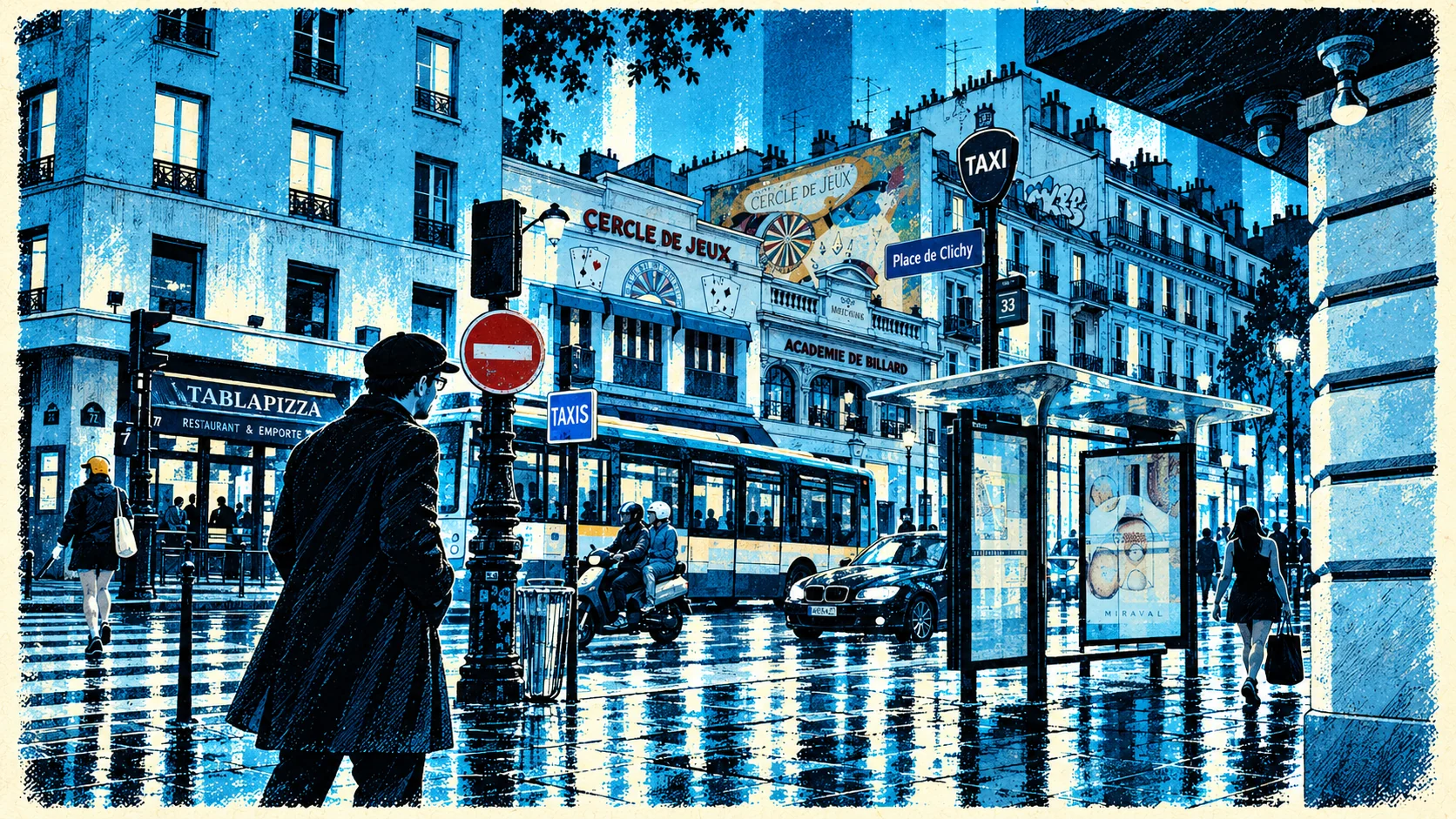
Synopsis: In the shadowed arrondissements of Paris, Thomas moves through two worlds—above ground as a charming wine shop clerk, below ground as something far more sinister. By day, he’s the friendly face customers trust. By night, he becomes a predator armed with nothing more dangerous than a camera.
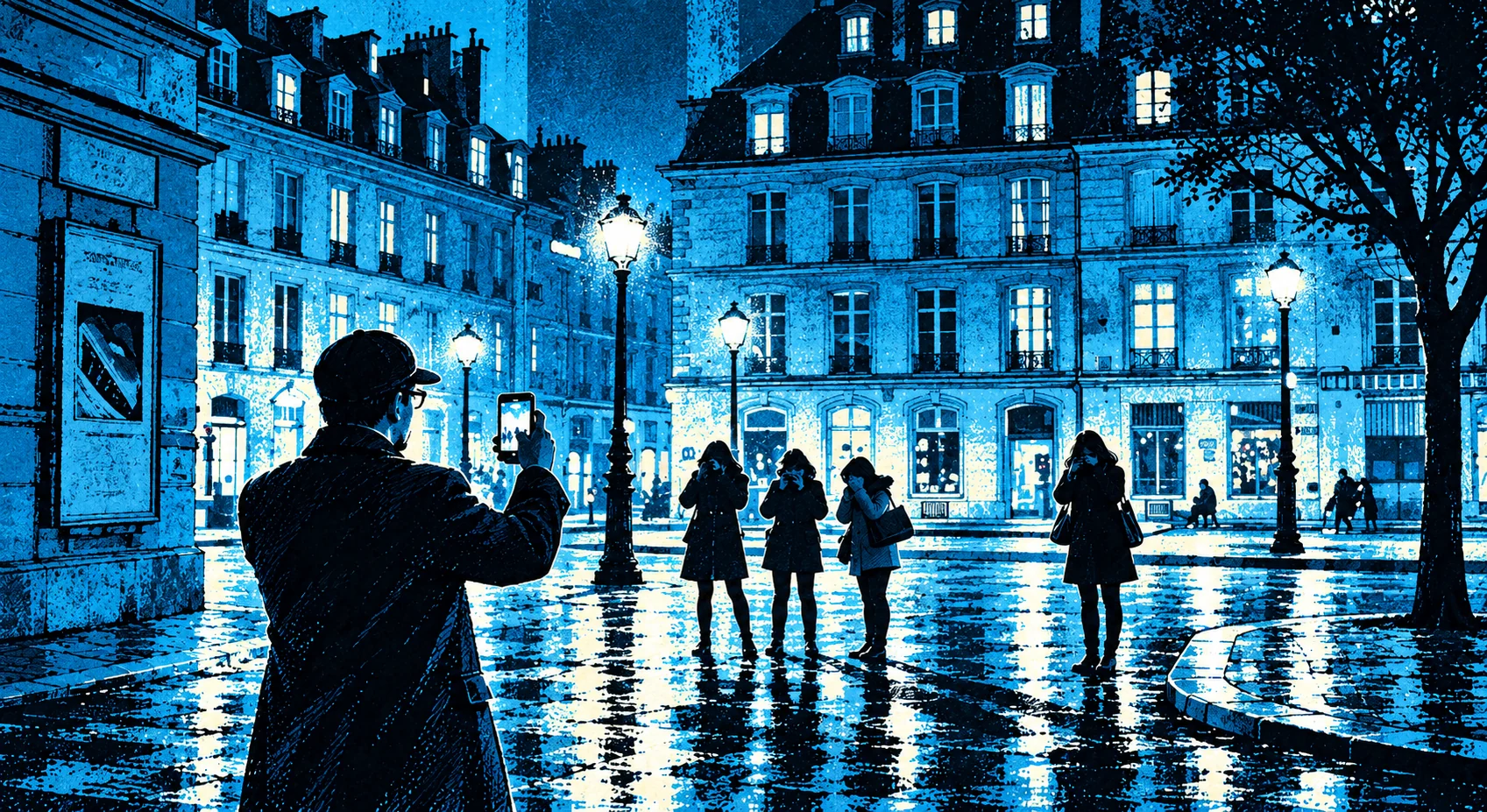
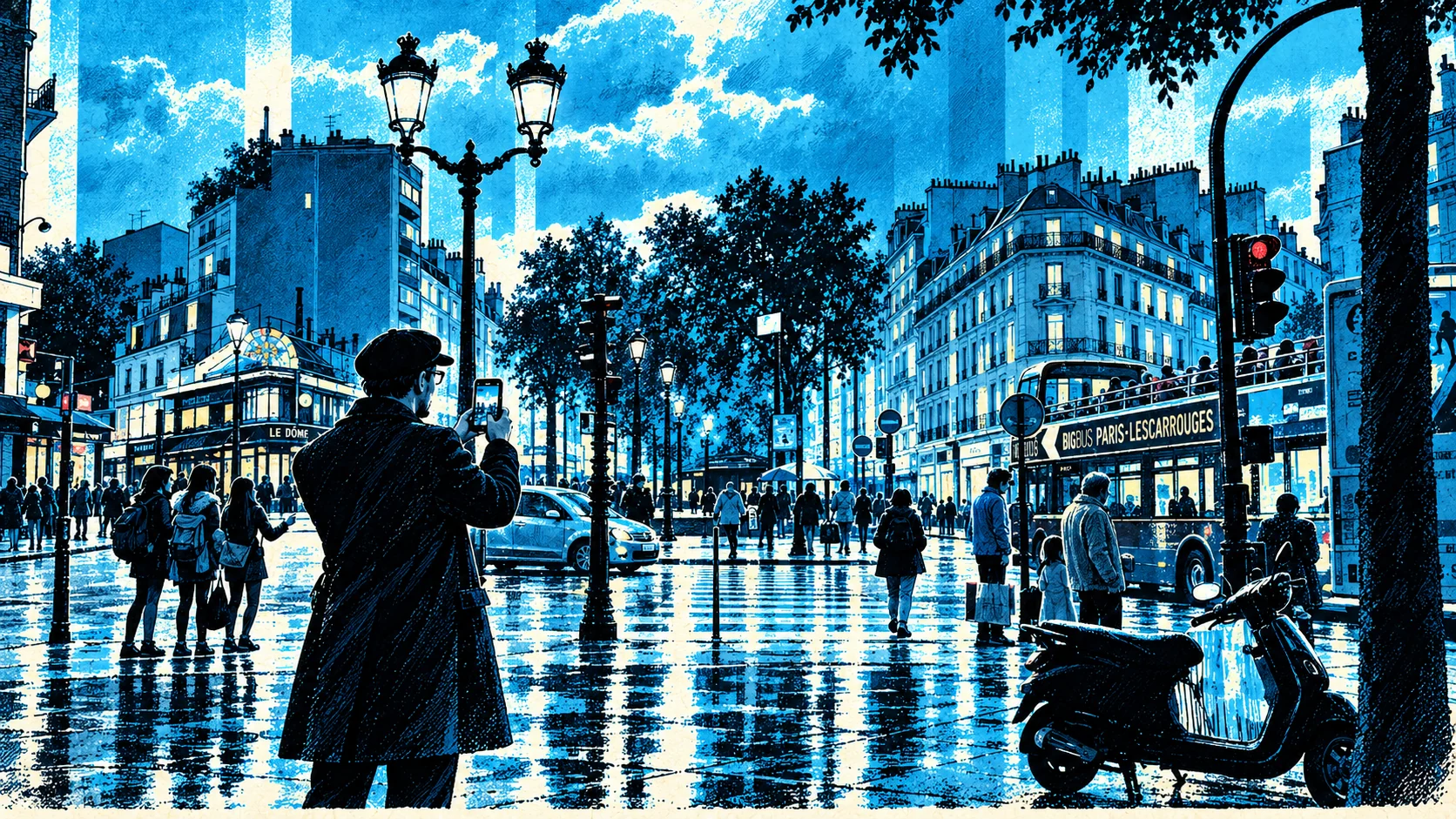
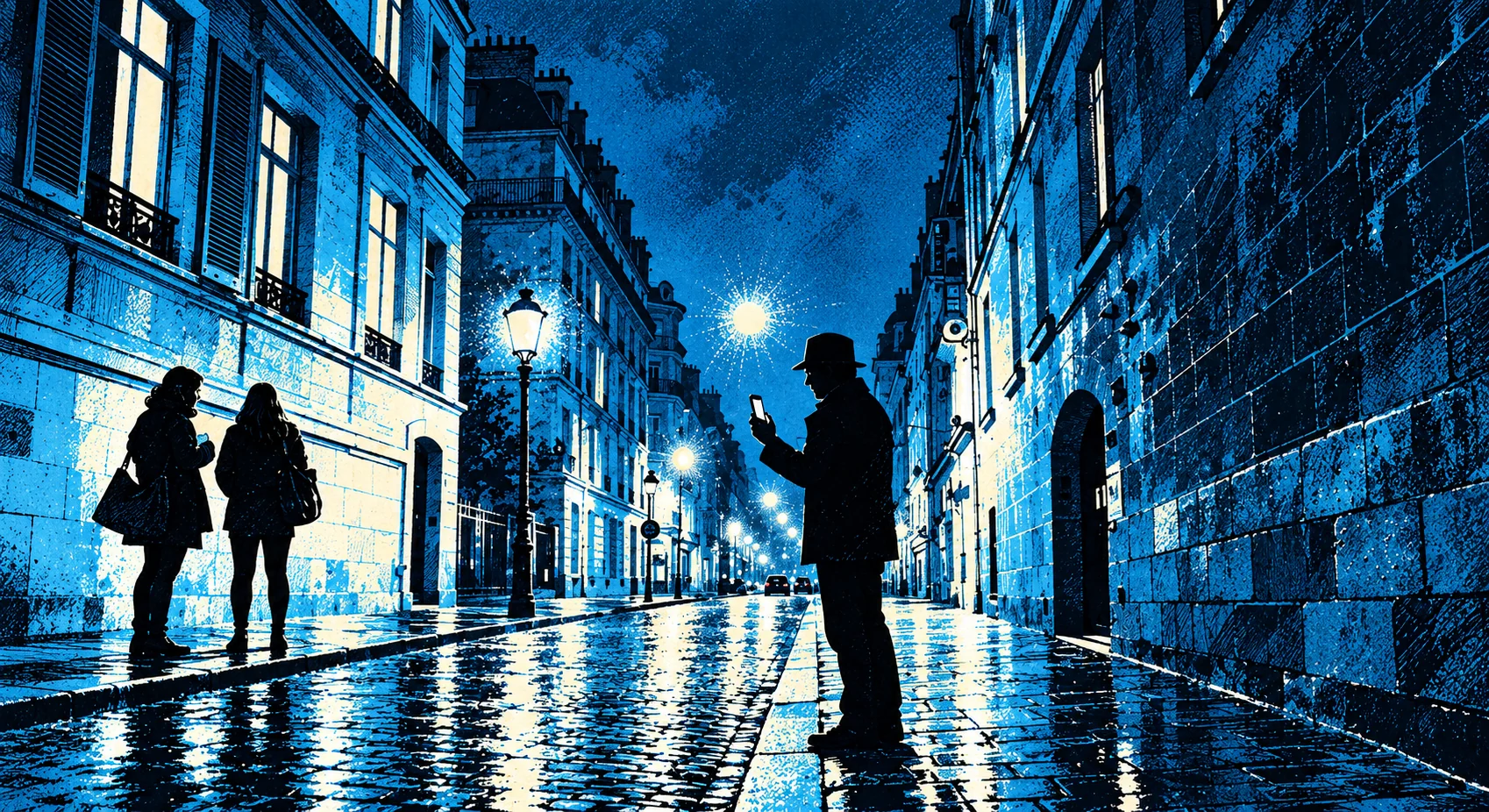
Like many of us, Thomas carries his camera everywhere, capturing moments on a whim. But unlike our innocent snapshots of places and things, Thomas has a darker purpose: he believes he can steal souls through photography.
Set against the historic backdrop of Saint-Lazare in Paris’ 8th arrondissement—once a leper sanctuary, now transformed into luxury hotels and shopping—Thomas has developed a twisted philosophy. Overwhelmed by the city’s teeming crowds, he’s convinced himself that certain people are “lost souls” who need salvation. His salvation comes through the lens.
Each photograph is an act of spiritual extraction in his deluded mind. He targets those who seem adrift, unaware, vulnerable—believing each click of his shutter delivers them from their earthly suffering.
Despite his disturbing obsession, Thomas maintains a careful façade of normalcy. He’s sociable, charming, methodical. But the cracks are widening. Those around him begin to sense something unsettling behind his friendly demeanor—an escalating madness lurking behind the lens.
As his delusion deepens, Thomas finds himself drawn to the Paris Catacombs in the 14th arrondissement. These underground chambers, filled with the bones of millions, seem to call to him. Here, beneath the city of love, surrounded by the remains of those who came before, his obsession reaches its terrifying climax.
Logline: A wine merchant believes he can steal souls through photography. As his obsession grows, his careful approach wanes.
Tagline: A lens can capture more than images.
More Broken English productions
“A Story In Paris” weaves together the contrasting layers of Parisian history. The film bridges the opulent transformation of Saint-Lazare—from medieval leper hospital to modern luxury—with the haunting permanence of the catacombs below.
These subterranean burial chambers tell their own story of transformation. In the late 18th century, overcrowded cemeteries like Saint-Innocents threatened public health, forcing authorities to relocate millions of remains to abandoned limestone quarries beneath the city. Even bones from Saint-Lazare’s hospital grounds found their final resting place in these underground galleries.
Today, visitors can trace inscriptions marking this macabre journey from street level to the eternal darkness below—a journey that mirrors Thomas’s own descent into madness.
This French Broken English Films production explores the thin line between salvation and destruction, between love and obsession. In Thomas’s fractured mind, he’s not a predator but a savior—a delusion that makes him all the more dangerous.
For more information about “A Story In Paris” check out Broken English Books’ behind the screenplay.
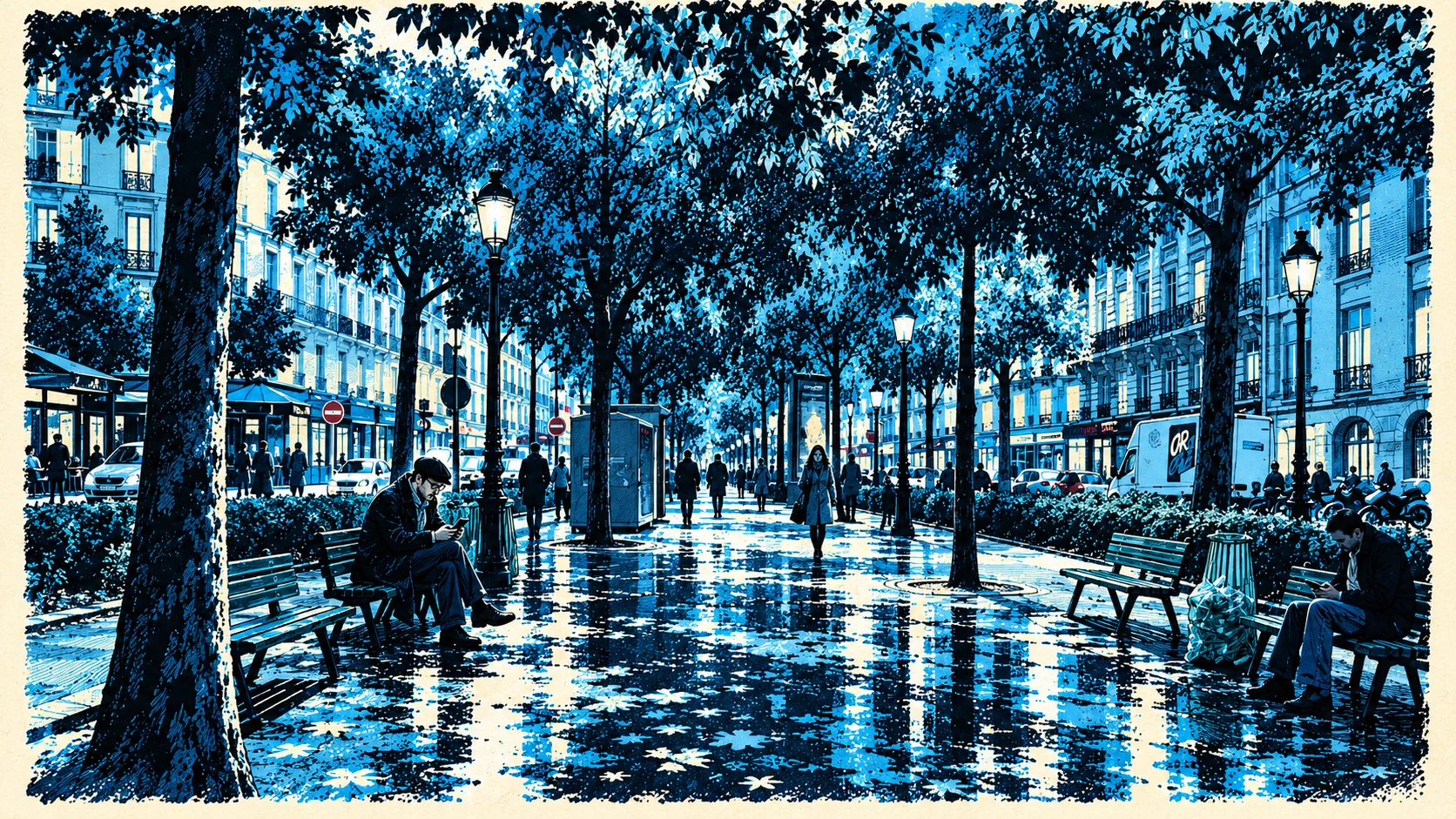
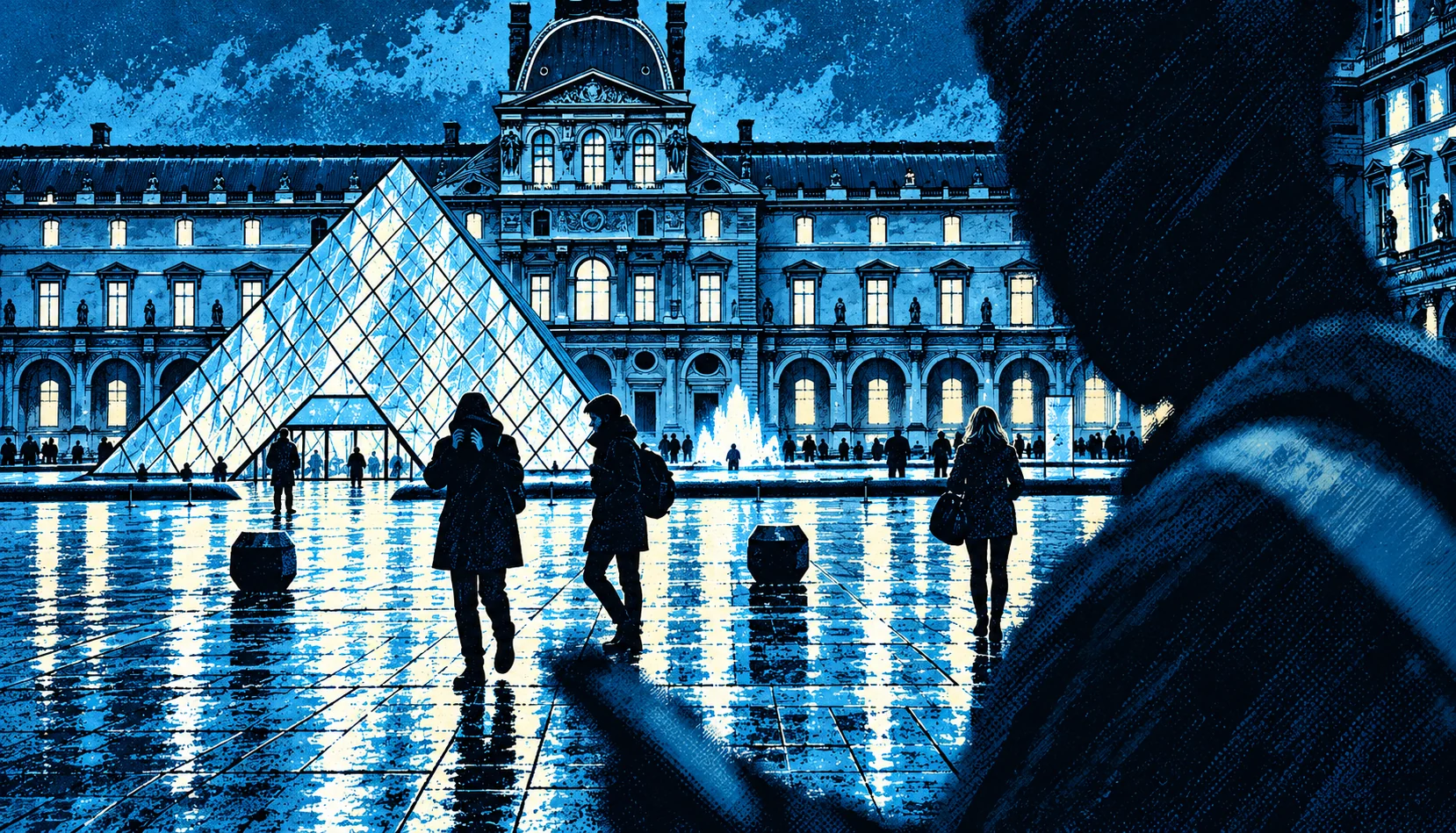
A Story In Paris did not invent the fear at its center, it inherited it. Long before cameras existed, the belief that a likeness could be stolen from its owner traveled by whisper, from village square to campfire, a warning passed down through generations who sensed that to be seen too closely was to be exposed to something dangerous. When the daguerreotype arrived in the nineteenth century, that old unease found a new vessel. The machine did not just record a face, to the uninitiated eye it seemed to imprison one. Thomas inherits this ancient suspicion in reverse: rather than fearing the camera’s theft, he wields it, convinced his shutter performs a mercy no one asked for.
The Catacombs beneath A Story In Paris are just as haunted by history as by fiction. Beneath the city’s ancient arrondissements, six million Parisians were relocated from the city’s overflowing cemeteries in the late eighteenth century, their remains stacked into limestone quarries once mined for the very buildings above. Only one visitor is known to have stayed permanently: a doorkeeper named Philibert Aspairt, lost in the tunnels one night in 1793 and found eleven years later, identified only by the keys still hanging at his belt. His epitaph is short, almost matter of fact, a man lost, then found, long after it mattered. It is the kind of detail that could have been written for Thomas himself, a man who wanders into the dark convinced he is on a mission, only to be claimed by the place he thought he understood.
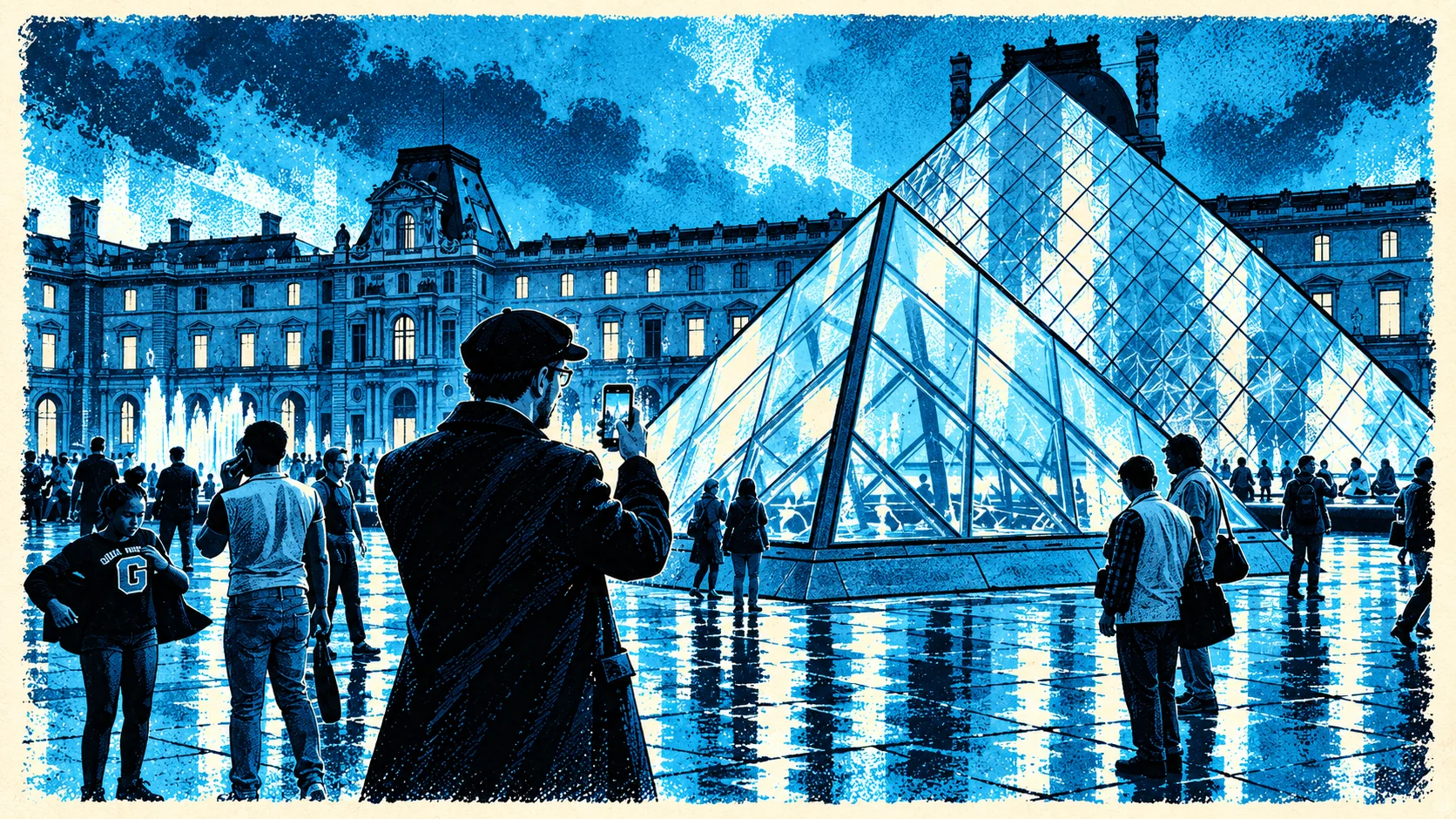
That tension, between the living who visit and the dead who remain, gives A Story In Paris its underground center of gravity. Millions of bones rest just beneath the boulevards where tourists shop and diners linger over wine, a city of the dead directly under a city of the living, separated by a few feet of stone. Thomas moves between both freely, believing his camera is a bridge rather than a blade. It is this same tunnel network that has drawn poets, urban explorers, and now filmmakers, for over two centuries, a place where Paris quite literally cannot bury its past. A Story In Paris uses that permanence as Thomas uses his lens: as proof, however delusional, that nothing photographed, or buried, is ever really gone.
Keep exploring
More from Broken English Films.


Feature film
No Reprieve
Drama
The world doesn’t need to know where you are at any given moment, until it does.